Shoulder pain can disrupt sleep, limit daily tasks, and reduce your ability to stay active. Many people assume that surgery is the only option for lasting relief, but that’s not always the case. In fact, shoulder pain physical therapy often provides an effective, non-invasive solution. With a personalized treatment plan focused on movement, strength, and recovery, physical therapy can help you regain control over your shoulder without the need for surgical intervention.
At Joint Effort Physical Therapy, our team helps people reduce discomfort, improve function, and get back to doing what they love. Below is a checklist of strategies and treatments we often use to support shoulder recovery without surgery.
Why Surgery Isn’t Always the First Step
In many cases, shoulder pain develops from overuse, poor mechanics, or muscle imbalances. Whether the issue is a rotator cuff strain, bursitis, impingement, or general tightness, conservative treatment through shoulder pain physical therapy often delivers positive outcomes. A structured, progressive plan allows the body to heal while improving strength and stability.
What to Expect from Shoulder Pain Physical Therapy
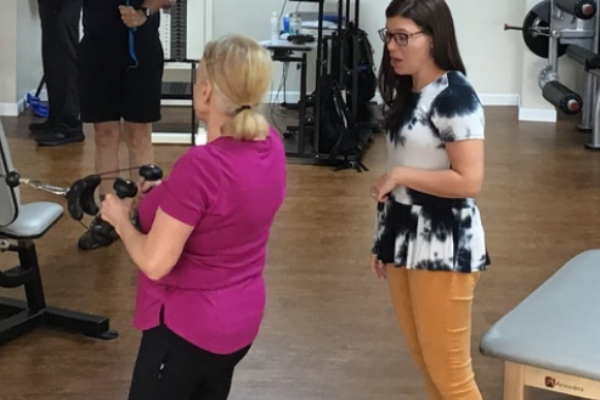
At Joint Effort Physical Therapy, we use research-backed interventions to promote healing and restore comfort. Here’s what a typical plan might include:
Your Step-by-Step Checklist for Shoulder Relief
Get a Proper Evaluation
- Start with a detailed assessment from a licensed physical therapist. They will examine your posture, shoulder mechanics, strength, and range of motion to create a plan tailored to your needs.
Use Targeted Manual Therapy
- Hands-on techniques like soft tissue mobilization and joint glides can help reduce stiffness, improve circulation, and support muscle recovery.
Strengthen Supporting Muscles
- Weakness in the rotator cuff or shoulder blade muscles can increase stress on the joint. A physical therapist will teach you how to safely build strength with the right exercises.
Improve Shoulder Mechanics
- Many people develop poor movement habits without realizing it. Physical therapy focuses on retraining how the shoulder moves, reducing pressure and friction in the joint.
Add Gentle Stretching
- Stretching the chest, shoulder, and neck muscles can relieve tightness and improve mobility. Your therapist will guide you through safe movements to restore balance without strain.
Use Heat or Ice Strategically
- Ice can help with pain control in the early stages, while heat may support circulation and muscle relaxation as healing progresses. Your therapist can show you how to use both effectively.
Address Posture Habits
- Rounded shoulders and forward head posture often contribute to chronic shoulder issues. A therapist will help you correct posture at work and during daily activities to protect your progress.
Apply Taping or Bracing if Needed
- In some cases, supportive taping or a temporary brace can assist with movement correction or pain relief. These tools are used in conjunction with other therapies, not as a standalone fix.
Stay Consistent with Home Exercises
- Your progress depends on what you do outside the clinic. Your therapist will provide a home program to reinforce gains made during sessions.
Track Progress and Adjust as Needed
- Shoulder recovery is not always a straight line. At Joint Effort Physical Therapy, we regularly reassess your condition to make sure the plan stays effective and reflects your healing timeline.
Don’t Wait for Pain to Worsen
- Waiting too long to address shoulder pain can lead to a reduced range of motion, chronic discomfort, or further tissue damage. Fortunately, shoulder pain physical therapy can help you take control before surgery becomes necessary. Many patients find significant relief within just a few weeks of focused care.
Find a Personalized Plan That Works for You
If shoulder pain is holding you back, it’s time to get support from professionals who understand movement and recovery. At Joint Effort Physical Therapy, we offer care that helps you heal safely and return to daily life with confidence.
Contact our team today to schedule an evaluation and begin your recovery without surgery. We’re ready to help you move better and feel stronger.