After surgery, swelling is a normal part of the healing process, but that does not mean it should be ignored. If not properly managed, inflammation can delay recovery, limit range of motion, and increase discomfort. While it may be tempting to rest and wait for the body to heal on its own, physical therapy plays a critical role in post-surgical swelling reduction, helping patients recover faster and more comfortably. At Joint Effort Physical Therapy, our team uses proven techniques to safely guide patients through this important stage of healing.
In this guide, we compare the benefits and risks of managing swelling independently versus receiving structured care from a licensed movement specialist. Understanding these differences can help you make a confident decision during your recovery.
Swelling After Surgery: What’s Normal and What’s Not?
Swelling, or edema, is your body’s natural response to tissue damage. Right after surgery, fluid and white blood cells gather at the site to begin the healing process. However, when swelling lingers too long or becomes excessive, it can interfere with circulation, increase stiffness, and affect nearby joints.
Some patients try to manage swelling with rest, elevation, or over-the-counter remedies. While these may offer temporary comfort, they rarely address the underlying causes of fluid buildup or help restore full function.
Why Physical Therapy Offers an Edge for Swelling Management
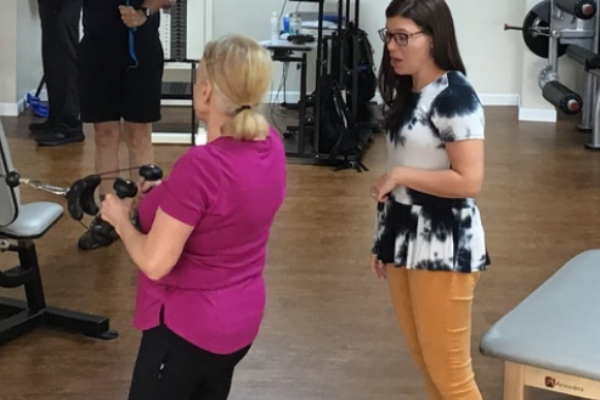
Physical therapy offers a personalized approach to post-surgical swelling reduction, built on movement, manual techniques, and guided activity progression. At Joint Effort Physical Therapy, care begins with a detailed evaluation of your surgical area, movement patterns, and tissue response. From there, your plan may include:
- Gentle range-of-motion exercises to encourage lymphatic flow
- Soft tissue mobilization or massage to assist with fluid drainage
- Elevation and compression guidance to reduce inflammation
- Education on movement strategies that prevent further irritation
Unlike home remedies, these techniques are performed under close supervision, ensuring they are effective and appropriate for your healing stage.
Comparing Outcomes: PT vs. DIY Approaches
DIY Approach
- May involve rest, ice, compression, or elevation
- Lacks individual assessment
- Risk of doing too much or too little
- Potential delays in mobility and strength recovery
Physical Therapy at Joint Effort Physical Therapy
- Hands-on care tailored to your specific surgery and body mechanics
- Safe reintroduction of movement to reduce stiffness
- Progress monitoring and regular re-assessments
- Education to promote long-term healing and independence
Patients who pursue physical therapy often see faster and more complete results. For example, a patient recovering from knee surgery may struggle to fully extend or bend the knee due to swelling. With guided physical therapy at Joint Effort Physical Therapy, that same patient may regain full range of motion within weeks while avoiding complications like joint tightness or scar tissue buildup.
Real-Life Example: A Faster Recovery With Expert Help
Consider a patient named Mark (not his real name), who underwent shoulder surgery and attempted to manage his recovery at home. Despite resting, icing, and limiting activity, he experienced persistent swelling and stiffness after three weeks. When he began physical therapy at Joint Effort Physical Therapy, our team discovered that fluid buildup was limiting his joint movement and delaying muscle activation.
Mark saw measurable improvements in both swelling and strength within two weeks of starting care through targeted manual therapy, progressive shoulder motion drills, and patient education. Without these interventions, his return to work and recreational activities could have taken much longer.
Physical Therapy for Post-Surgical Swelling Reduction: A Smarter Path to Recovery
The structured care provided at Joint Effort Physical Therapy goes beyond symptom relief. Our approach to post-surgical swelling reduction helps prevent secondary complications such as scar tissue restriction, nerve irritation, or compensatory movement patterns. We also ensure that any red flags—like unusual swelling or signs of infection—are quickly identified and addressed.
Choose a Team That Understands Your Healing Process
You do not have to manage swelling alone. At Joint Effort Physical Therapy, we offer a safe, effective solution for post-surgical swelling reduction, backed by clinical expertise and personalized care. Our team understands that every recovery is different, and we take the time to guide you through every step.
If you are recovering from surgery and unsure whether swelling is normal or something to watch, we invite you to connect with our experienced physical therapy team. Let us help you heal faster, move better, and return to the life you enjoy.